
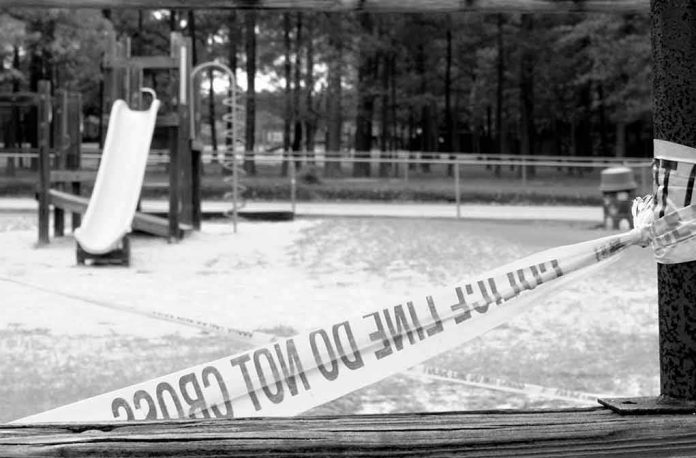
A 12-year-old boy was whipped with a belt near a New York City playground, and prosecutors say it was an anti-gay hate crime.
Story Snapshot
- Police arrested Kevin Maxwell, 37, in Brooklyn on charges tied to the assault.
- Prosecutors labeled the case an anti-gay hate crime based on perceived sexual orientation.
- The reported attack happened April 29 near a city playground.
- Public records with detailed motive evidence have not been shared yet.
What Happened And What Authorities Say They Can Prove
New York City authorities arrested Kevin Maxwell, 37, after a 12-year-old boy said a man whipped him with a belt near a playground. The reported attack occurred on April 29. Local media and social posts stated that prosecutors charged Maxwell and labeled the case an anti-gay hate crime based on perceived sexual orientation. A New York Daily News social post echoed the account and location details, placing the incident at a playground in the city. The charge elevates penalties if a court finds bias intent.
Officials have not released a criminal complaint to the public that lays out motive evidence. No public police report quotes slurs, witness statements, or video that would show intent. The arrest and charge are on the record through media statements, but the paper trail remains out of view. That gap matters, because motive is the hinge in any hate-crime case. Prosecutors must show the bias intent beyond the base assault, not only that a cruel act occurred.
What We Know, What We Do Not, And Why It Matters
Three facts stand without dispute: a child reported an assault with a belt, a man was arrested, and prosecutors added a hate-crime label. What we do not have is the motive evidence itself. There is no released video, no sworn transcript, and no complaint in public court files that the press has cited. That does not mean the evidence does not exist. It means the public cannot see it yet. Conservative common sense says: hold firm on the facts, push for transparency, and let proof, not headlines, decide guilt.
Media posts and advocacy groups have echoed the anti-gay framing. That can build pressure on courts and police, and it may harden public opinion before a jury ever hears the case. Some defense teams call this “overcharging.” Sometimes that claim is spin. Sometimes it is right. The answer here will rest on the record. If the state has clear proof of bias intent, the hate-crime label fits. If not, the court should pare it back and try the assault on its merits.
How This Case Fits New York’s Larger Hate-Crime Picture
New York State recorded 1,089 reported hate-crime incidents in 2023, the highest since mandated reporting began, with strong growth since 2019. Anti-gay male bias made up the vast share of anti-LGBTQ incidents in that data. New York City also saw hundreds of incidents, a large portion against people rather than property, and many at felony levels. Those numbers set a tense backdrop. They also explain why prosecutors move fast to add hate-crime enhancements when they think the facts support them.
Patterns, however, do not prove a motive in any single case. Each case must stand on its own evidence. The rise in reported hate crimes warns us not to shrug at attacks. It does not excuse thin proof. The right balance is simple and tough: protect children, punish violence, and demand solid evidence before branding a case as hate-based. That approach guards equal justice and keeps politics out of the courtroom where it does not belong.
What To Watch Next: Documents, Video, And Testimony
The first key item is the criminal complaint or indictment. That document should spell out the state’s evidence of bias intent, if any. The second is video. Playground or street cameras may capture words or actions that support or cut against the hate-crime claim. The third is sworn testimony from the victim and witnesses. If they describe anti-gay slurs or conduct tied to the assault, the hate-crime count grows stronger. If they do not, the defense gains ground.
Public trust improves when leaders show their work. The Brooklyn District Attorney’s office can release more detail without tainting a jury pool. The New York Police Department can summarize the investigative steps taken. If prosecutors are right, sunlight will help their case. If they overshot, clarity will correct the record. Either way, the child deserves a swift, fair process, and the community deserves facts that match the charge.
Sources:
nypost.com, instagram.com, facebook.com