Two former Sinaloa power players just walked into the lion’s den of U.S. justice, and the allegations read like a blueprint for how a state can be rented by a cartel—if prosecutors can prove it.
Story Snapshot
- Federal prosecutors in Manhattan charged current and former Sinaloa officials with aiding the faction led by El Chapo’s sons, the “Chapitos.” [3]
- Prosecutors allege six-figure monthly cash bribes and advance warnings of raids that shielded drug labs and movements. [1]
- At least one accused former security chief reportedly surrendered to United States authorities, signaling the case is live and moving. [1]
- The governor at the center has publicly denied the allegations, framing them as political; the legal record remains indictment-stage. [2][4]
What prosecutors say happened, and why it matters now
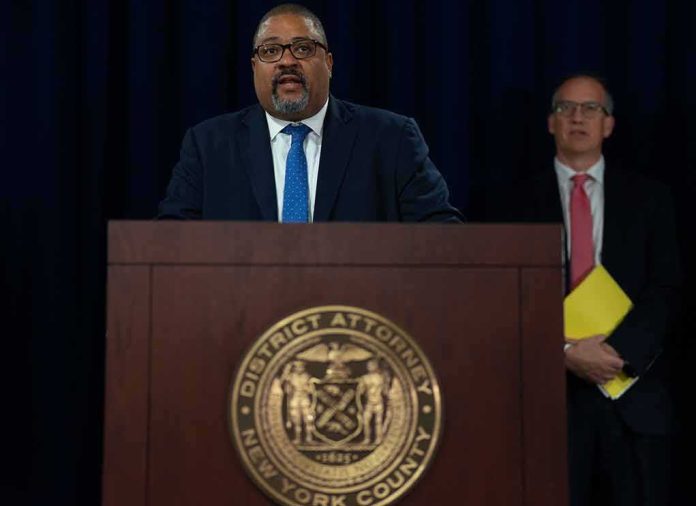
The United States Attorney’s Office for the Southern District of New York unsealed an indictment alleging that multiple Sinaloa officials “abused their positions of trust and authority to help facilitate the Chapitos’ operations,” directly tying government influence to cartel logistics and protection. The filing places the defendants “most closely aligned” with Joaquín Guzmán’s sons, known as the “Chapitos,” giving the case a specific organizational target rather than a generic cartel allegation. The charges were filed in Manhattan federal court, formalizing the U.S. venue. [3][4]
Prosecutors did not stop at broad corruption claims; they outlined operational misconduct. Court summaries describe a scheme in which the then–Sinaloa security secretary allegedly took more than $100,000 in monthly cash from the Chapitos during 2023 and 2024 and, crucially, warned cartel figures about planned raids. Those warnings, if proven, would explain why labs and personnel consistently slipped state dragnets and would elevate this from passive graft to active sabotage of law enforcement. These are allegations, not adjudicated facts. [1]
Who moved first: surrender, custody, and case posture
Reporting indicates former security secretary Gerardo Mérida Sánchez surrendered to United States authorities and was transferred to New York, a procedural step that often precedes arraignment and discovery and that signals defense counsel expects to contest the case in a U.S. courtroom. Voluntary surrender does not imply guilt; it does show the case has progressed beyond headlines into custody and docket management. That movement strengthens the government’s posture that this is not a media stunt. [1]
The U.S. Attorney’s Office also charged Alberto Jorge Millan with offenses tied to kidnappings of a Drug Enforcement Administration source and the source’s relative that resulted in their deaths, adding a violence dimension to the corruption narrative and sharpening the stakes if ties between officials and operational crews can be established. Murder-linked counts raise sentencing exposure and cooperation incentives that can reshape a case’s trajectory. [3]
The denial, the politics, and the evidence gap
Governor Rubén Rocha publicly denied the allegations and suggested political motivation, asserting he would leave office with a clean conscience while investigations proceed. Mexico’s leadership has stressed that extraditions require clear evidence, highlighting a sovereignty-inflected standard of proof that differs from the probable-cause threshold of a U.S. indictment. These responses rebut the narrative frame but do not, so far, rebut specific claims like the alleged six-figure bribes or the raid-warning pipeline with documents or witness affidavits. [2]
Major outlets and official press materials agree on the core facts of the filing—named defendants, Manhattan venue, and alignment with the Chapitos—yet this remains an indictment, not a verdict. Without the full exhibit list, cooperating-witness proffers, and forensic financial records, the public sees a one-sided evidentiary snapshot. Common-sense conservatism should insist on document-driven verification, not partisan priors, before branding a statehouse captured or a prosecution politicized. That discipline protects truth and due process alike. [3][4]
What proof would settle the argument—and what to watch next
The release of the unsealed indictment packet with any supporting affidavits would anchor each allegation to dates, communications, and alleged co-conspirators. Forensic accounting that traces cash to assets, intermediaries, and travel logs could either corroborate or collapse the monthly-bribe claim. Device forensics linking calls or messages to specific raid times would make or break the advance-warning story. Custody status across all ten defendants and any early cooperation moves will signal whether the case gains evidentiary mass or fragments under scrutiny. [3][1][4]
The public should expect a trench fight over credibility: prosecutors leaning on named counts and witness safety concerns, defense leaning on sovereignty and selective disclosure. The throughline to watch is whether the government produces hard records—financial flows, call-detail maps, decrypted chats—that survive cross-examination. If those show a pattern of protection-for-pay tied to specific operations, the narrative shifts from rumor of a rented state to a ledger-backed indictment. If not, politics will smother proof again. [3][1]
Sources:
[1] Web – Former Sinaloa Security Chief Transferred to New York After …
[2] YouTube – Mexican governor steps aside after US accusations of cartel ties
[3] Web – Governor Of Sinaloa And Nine Other Current And Former Mexican …
[4] Web – Current and former Mexican officials accused in US indictment of …