A Democrat tried to prove voter ID “disenfranchises” people—then a live town hall audience in Alabama quietly demolished the talking point with a single question.
Story Snapshot
- Alabama State Rep. Shomari Figures (D-Mobile) asked attendees to raise a hand if they lacked photo ID—no one did, creating a viral backfire moment.
- The clip, circulated by 1819 News, has become fresh ammunition in the national voter ID debate heading into 2026 politics.
- Only one primary source has widely circulated the incident; the exact date of the town hall and any follow-up statement from Figures are not confirmed in the provided research.
- The episode highlights a core tension: claims of widespread ID barriers versus what many voters experience in everyday life.
What Happened at the Mobile Town Hall
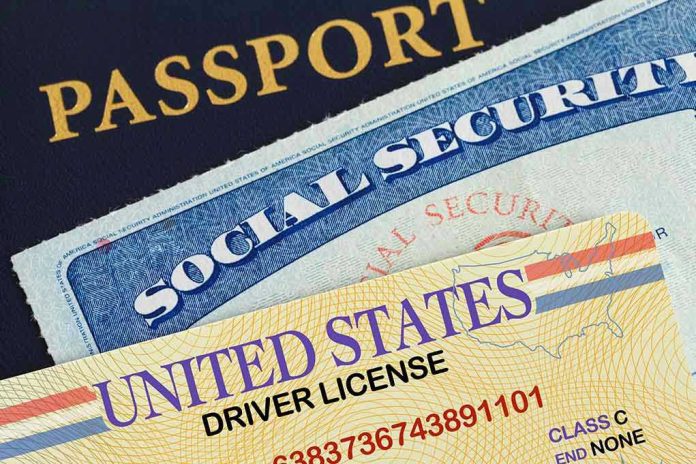
Shomari Figures, a Democratic state representative from Mobile, Alabama, questioned a town hall audience about photo identification in a way that appeared designed to underline opposition to voter ID requirements. Figures asked for a show of hands from anyone who did not have a photo ID. According to the circulated video and report, no hands went up. The lack of response flipped the intended point and fueled the “backfire” framing online.
The available research indicates the event took place at a public town hall in Mobile, but does not provide an exact date, a transcript, or independent confirmation from additional outlets. The clip’s spread appears driven mainly by conservative platforms and local coverage, with 1819 News positioning the moment as evidence that voter ID opponents overstate the number of voters who lack identification. Figures has not issued a public response in the materials provided.
OOPS. Rep. Shomari Figures (D) just accidentally OBLITERATED his Party's own narrative that people don't have IDs to vote
Figures: “How many people in here do NOT have ID?”
-Nobody responds to him
Figures: “Alright… everybody has ID…"pic.twitter.com/hf6M4hXWKD
— Libs of TikTok (@libsoftiktok) April 1, 2026
Why Voter ID Remains a Flashpoint in 2026
Voter ID fights sit at the intersection of election integrity and public trust—two issues that remain politically combustible after the election battles of the early 2020s. By 2024, many states had enacted some form of photo ID requirement, with supporters arguing that confirming identity is a basic safeguard against fraud and administrative errors. Critics argue that strict requirements can burden elderly, low-income, or rural voters, depending on access and procedures.
Alabama’s voter ID law has been in place for years, and the state’s political reality matters: Republicans hold dominant legislative power, while Democratic lawmakers often focus messaging on access concerns. That context helps explain why a live audience reaction can take on oversized importance. A viral moment can be used to suggest a broader conclusion—either that ID access is near-universal, or that the question was too narrow to measure the real edge cases critics worry about.
What the Clip Proves—and What It Doesn’t
The strongest factual takeaway is limited but clear: at that particular town hall, no one publicly indicated they lacked photo ID when asked. That is a real data point from a real room, and it undercuts sweeping claims that large numbers of ordinary voters routinely show up without identification. At the same time, the incident does not quantify county-wide or statewide ID access, and the available reporting does not document who attended or whether anyone declined to respond.
The Political Stakes for Conservatives
For conservative voters focused on constitutional governance, the larger issue is whether election rules are transparent, enforceable, and applied evenly. Voter ID policies are popular in many communities because they mirror common requirements for daily life—banking, travel, and employment—while strengthening confidence that ballots are tied to eligible voters. Episodes like this also feed a broader frustration: many Americans feel political elites push narratives that do not match what families see on the ground.
Still, the responsible takeaway is not to treat a viral clip as a nationwide study. The better approach is demanding clear standards and practical solutions: simple, accessible paths to obtain ID; rules that prevent last-minute administrative chaos; and policies that prioritize citizens’ confidence without expanding bureaucracy. With trust in institutions still fragile, both parties will keep testing messaging that resonates—especially when a single unanswered question can rewrite the night’s narrative.
The bottom line is that the Mobile moment became influential because it was visible, simple, and hard to spin in real time. Whether it changes policy is unclear from the current reporting, but it does sharpen the 2026 argument: are lawmakers solving a real access problem, or defending a political storyline? Without broader data in the provided materials, the clip stands as a snapshot—one that voters will interpret through the lens of security, fairness, and trust.