Sanctions only matter if they bite where the money flows; Congress just aimed a much sharper set of teeth at Russia’s war financing by marrying tougher energy sanctions to presidential tariff authority and enforcement against the shadow fleet moving Russian crude.
At a Glance
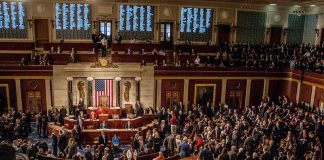
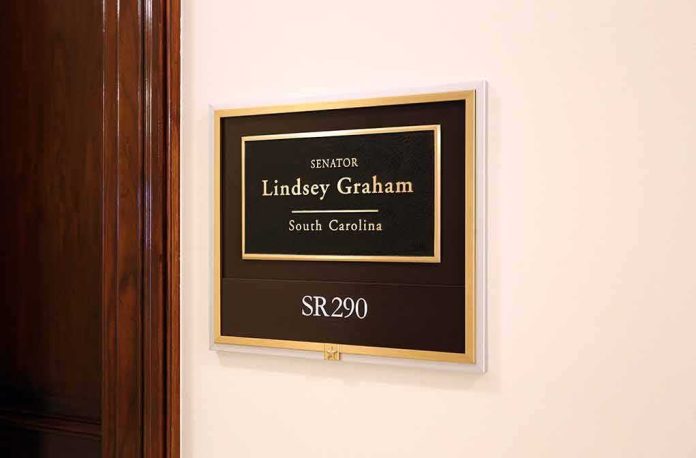
- The House approved the Lindsey O. Graham Sanctioning Russia and Iran Act of 2026, advancing a package designed to constrict the revenues sustaining Russia’s war in Ukraine.
- The Senate passed the measure with overwhelming bipartisan support, 86–11, in August; the House previously cleared an earlier version in April, then took up the Senate’s amended text in September.
- Core mechanisms target Russian energy exports, the shadow tanker fleet, and third-country buyers that keep Kremlin revenues flowing.
- The bill gives the president discretionary tariff tools and sanction expansions, calibrated with waivers and carve-outs to manage collateral damage.
What Congress actually passed, and why it matters
At its core, the Lindsey O. Graham Sanctioning Russia and Iran Act of 2026 intensifies pressure on Russia’s wartime economy by tightening existing sanctions and extending U.S. leverage onto the transactions that still move Russian oil, refined products, and related revenue. The Senate’s 86–11 vote in August signals a broad consensus that the next increment of pressure must target enforcement gaps: unflagged or obscurely flagged tankers, maritime services that enable covert shipments, and the buyers who—despite price caps and prior rounds—continue to pay for Russian barrels. The House first passed its version in April and, after the Senate amendments, brought the package back to the floor in mid-September to send a consolidated bill forward.
The bill’s architecture reflects lessons from two years of iterative sanctions: the Kremlin adapts, intermediaries proliferate, and oil keeps moving when enforcement lags. So the legislation layers tools where evasion has been most profitable—on the logistics of moving oil and on purchasers outside the transatlantic coalition. That is where the money still flows. And revenue is the fulcrum: Russian budget resilience depends on energy proceeds and on partners willing to absorb discounted crude and products when Western buyers step back.
How the mechanisms are designed to bite
Three design choices give this bill its teeth. First, it directs pressure at the “shadow fleet”—aging tankers with opaque ownership, re-flagging tactics, and minimal insurance—that enables sanctions evasion. By sanctioning owners, operators, and service providers involved in illicit Russian shipments, the bill raises the cost and legal risk of keeping that fleet on the water. Second, it targets the demand side by authorizing tariffs on top purchasers of Russian energy that persist in buying; the theory is straightforward economic statecraft—make access to the U.S. market and financial system more valuable than discounts on Russian crude. Third, it expands secondary sanctions exposure for entities that materially support Russia’s military-industrial base, extending beyond energy into finance, technology components, and logistics that keep production and procurement humming.
Critically, Congress coupled those tools with executive discretion and waivers. Sanctions and tariffs are blunt when sprayed indiscriminately; they are potent when tailored and sequenced. By giving the president authority to calibrate, delay, or waive measures in the national interest, legislators sought to preserve the capacity to de-escalate when cooperation improves, avoid punishing bona fide partners, and manage knock-on effects for global energy markets. That discretion has been a recurring feature of major sanctions statutes because enforcement coalitions evolve, and economic spillovers must be managed in real time.
How we got here: a procedural sprint backed by bipartisan votes
The legislative path underscores the depth of support. The House initially advanced an amended version by voice vote in April. The Senate then passed the bill—with an amendment and a title change—by an 86–11 roll call on August 7, a rare margin on any major foreign-policy instrument. After the August recess, the House teed up a vote on the Senate’s amended text, clearing procedural hurdles with a narrow rule vote and setting final passage on the floor. The through-line is simple: both chambers concluded that sanction pressure had to escalate in a way that closes evasion channels rather than merely adding new names to blacklists.
Process matters here because it signals credibility to allies, adversaries, and markets. A large Senate majority and House passage of the Senate’s text reduce ambiguity about where Congress intends U.S. policy to land. Markets price that clarity; so do tanker owners deciding whether to risk their fleets and refiners deciding which suppliers to court or avoid.
What the serious debate is really about
There has long been broad agreement in Washington on signaling toughness toward Moscow; the live debate is about efficacy, collateral damage, and executive discretion. Research on sanctions effectiveness is clear-eyed: sanctions can signal resolve, constrain capacity, and raise costs, yet they rarely coerce a belligerent to reverse core military objectives on a short fuse. That does not make them performative. It defines realistic goals: degrade warfighting potential, deter third-party enablement, and force a steady reallocation of scarce resources inside the target economy. The Atlantic Council’s synthesis of modern cases puts partial success around a third of episodes, with outcomes highly sensitive to coalition breadth and enforcement rigor—precisely what this bill tries to improve by tightening enforcement and nudging fence-sitters.
The bill’s tariff authority is the stress point. Proponents argue tariffs aimed at top buyers of Russian oil harden the outer ring of the coalition where leakage is greatest; skeptics worry about overreach and unintended price pass-through at home. The statutory waivers and the focus on specific purchasing behavior are meant to keep pressure targeted. The effectiveness test will be straightforward: do Russian energy revenues fall in a durable way without triggering a disruptive spike in global prices, and do key third-country buyers shift procurement strategies toward non-Russian supply?
🔴 Iran Conflict — 6h Update (8:00 PM EDT)
• The U.S. House has passed the Lindsey O. Graham Sanctioning Russia and Iran Act of 2026, imposing additional sanctions related to both countries.
• President Trump stated that the war with Iran will end very soon and that an…— Ponta (@mesa_ponta) September 17, 2026
Consequences to watch: enforcement, evasion, and global energy flows
Assuming vigorous implementation, three channels merit attention. First, maritime risk. If insurers, classification societies, and ports align with the new prohibitions, older, noncompliant tankers should face higher costs, narrower routing options, and increased detention or denial—from which flows a lower netback to the Russian exporter. Second, buyer behavior. The credible threat of tariffs and secondary sanctions can re-rank procurement priorities at state-owned refiners and trading houses; even incremental shifts in long-term offtake contracts away from Russian grades compound over time. Third, fiscal strain inside Russia. Lower realized prices, higher logistics costs, and tighter access to services erode windfall revenues and compress Moscow’s budget flexibility—measured in the coming quarters by energy tax take, defense outlays, and parallel import bills.
Bottom line
Sanctions are not a magic switch that ends wars; they are a campaign that, if well designed and enforced, constrains an adversary’s capacity to sustain one. With this bill, Congress aligned statutory tools to the actual mechanics of Russia’s revenue engine and the evasion ecosystem that protects it. The test now shifts from votes to vigilance: coherent executive use of discretion, disciplined enforcement at sea and in finance, and sustained coalition management. If those pieces hold, the bite will land where it should—on the cash flows that underwrite aggression.
Sources:
thehill.com, congress.gov, rferl.org, cnbc.com, apnews.com