A U.S. military operation in Venezuela has set a new precedent, raising alarms over potential impacts on the Korean Peninsula.
Story Highlights
- The U.S. conducted airstrikes in Venezuela, capturing President Maduro.
- This operation is seen as a norm-shifting event affecting global perceptions of U.S. military actions.
- North Korea views the event as a threat, reinforcing its nuclear ambitions.
- The situation complicates U.S.-ROK alliance dynamics and regional stability.
U.S. Military Action Raises Global Concerns
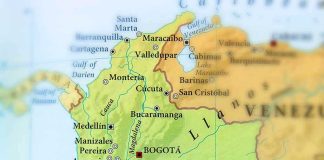
On January 3, 2026, the United States military executed a significant operation in Venezuela, leading to the capture of President Nicolás Maduro. This bold move by President Donald Trump highlights a willingness to engage in decisive action far beyond U.S. borders, temporarily placing Venezuela under American administration. The implications of this operation extend beyond Latin America, affecting perceptions in regions like the Korean Peninsula, where U.S. military presence and alliances are critical.
In response to the Venezuela operation, North Korea condemned the U.S. actions as a violation of sovereignty. This reaction underscores Pyongyang’s persistent narrative that the U.S. is a regime-change-oriented power, justifying its nuclear weapons as essential deterrents. North Korea’s decision to launch ballistic missiles into the sea during South Korean President Lee Jae-myung’s visit to China is seen as a strategic signal, reflecting heightened tensions in response to the U.S. actions.
Impact on U.S.-ROK Alliance
The operation in Venezuela poses challenges for the U.S.-ROK alliance. South Korea quickly activated crisis response measures for its nationals in Venezuela, urging a peaceful resolution. The implications for the alliance extend to questions about U.S. commitment and strategic focus in the Indo-Pacific region. Critics argue that such unilateral actions could distract from critical regional security issues, potentially weakening the deterrence posture against North Korean threats.
South Korea must now navigate the delicate balance of maintaining a strong alliance with the U.S. while managing its own diplomatic relations with neighboring powers like China, which often positions itself as a stabilizer against perceived U.S. hegemony.
Strategic and Nuclear Implications
From a strategic perspective, the Venezuela operation reinforces the narrative that only nuclear deterrence can prevent U.S.-led regime changes, a belief strongly held by North Korea’s leadership. Analysts argue that Kim Jong-un will likely use this event to justify further nuclear development, potentially complicating diplomatic efforts aimed at denuclearization. The operation may also serve as a precedent for future U.S. military strategies, raising questions about international norms regarding sovereignty and the use of force.
As the global community watches the unfolding events in Venezuela and their ripple effects in Asia, the importance of strategic alliances and diplomatic engagement becomes increasingly clear. Observers suggest that while the U.S. demonstrates its resolve, it must also consider the broader implications for international stability and the rules-based order.
Sources:
What the Venezuela Case Means for the Korean Peninsula
Kim Jong-un Expected to Cling to Nuclear Security Blanket After Venezuela Decapitation
Regime Change in Venezuela Worked for Now, But What Comes Next Will Impact East Asia
The Global Implications of the US Military Operation in Venezuela