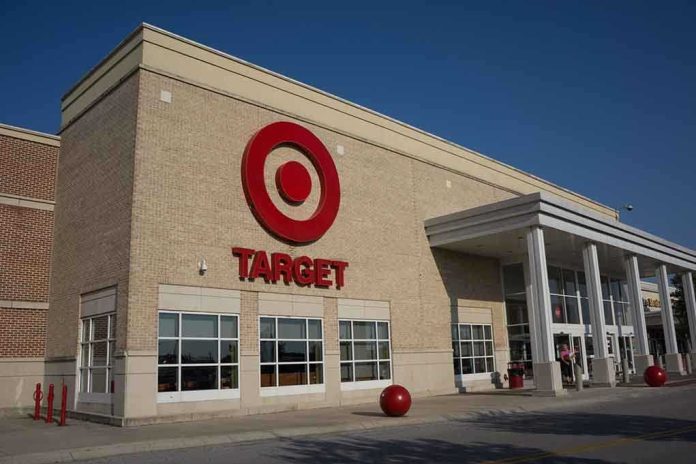
Target shoppers face higher in-store prices than on the company’s own app, exposing corporate tricks that treat everyday Americans like fools amid biting inflation.
Story Snapshot
- A frustrated Target customer publicly called out the retailer for charging more on shelves than in the app for the same store, labeling it a “sneaky tactic.”
- Target ended its 12-year competitor price-matching policy on July 28, 2025, limiting matches to its own channels only.
- Declining sales, from $24.5 billion in Q1 2024 to $23.8 billion in Q1 2025, fuel suspicions of profit-grabs over consumer fairness.
- Employees warn the changes expose pricing gaps, forcing cashiers to defend corporate opacity to angry shoppers.
Customer Uncovers Pricing Discrepancy
A Target shopper discovered an item cost more at the in-store shelf and register than on the Target app or website for the same local store pickup. The customer posted publicly, accusing Target of a “sneaky tactic” and declaring, “these companies assume consumers are stupid.” This viral callout highlights how retailers rely on shoppers skipping digital price checks during physical visits. The incident gained traction on social media, amplifying frustrations with opaque pricing practices.
Target Ends Competitor Price Matching
Target launched its Price Match Guarantee in 2013, matching lower prices from rivals like Amazon, Walmart, and Best Buy. On July 28, 2025, the retailer terminated this policy, restricting matches to identical items within Target’s own ecosystem—app, website, or other stores—within 14 days of purchase. Target claims guests rarely used competitor matches, citing “guest feedback” for the simplification. Critics see it as a margin-boosting move after years of promoting “unbeatable value.”
Employees on Reddit express alarm that app prices often undercut shelf tags in the same store. One worker noted it irritates customers who must check apps to avoid overpaying. Cashiers fear the policy forces them to reveal channel-based pricing differences, straining front-line interactions.
Financial Pressures Drive Policy Shift
Target’s Q1 2025 revenue dropped to $23.8 billion from $24.5 billion the prior year, blamed on reduced traffic, DEI backlash boycotts, and tariff uncertainties. The company now pushes private labels and Target Circle loyalty for differentiation. Internal memos frame the price-match rollback as guest-driven, but consumer commentary views it as cost-cutting disguised as convenience. This comes amid post-pandemic “greedflation” scrutiny, where inflation-weary families demand transparency.
Shoppers must now spot discrepancies themselves via Guest Services or chat for adjustments. Low-income households without app access risk overpaying, echoing broader retail trends of channel segmentation that reward digital savvy over in-store trust. Walmart’s everyday low prices may lure price-sensitive buyers away.
Implications for American Shoppers
Short-term, expect checkout confusion as customers learn they can’t match Amazon deals. Long-term, persistent “sneaky” narratives erode Target’s value brand, especially after cultural boycotts. Regulatory eyes on shrinkflation and junk fees grow, though no Target-specific actions yet. Front-line workers bear complaint brunt, highlighting corporate disconnects. In Trump’s America, where families fight Biden-era inflation scars, such tactics remind us to stay vigilant against business overreach preying on hardworking consumers.
Sources:
Target to end longtime price-matching policy
Target ends price-matching policy
What is Target’s price match policy?