
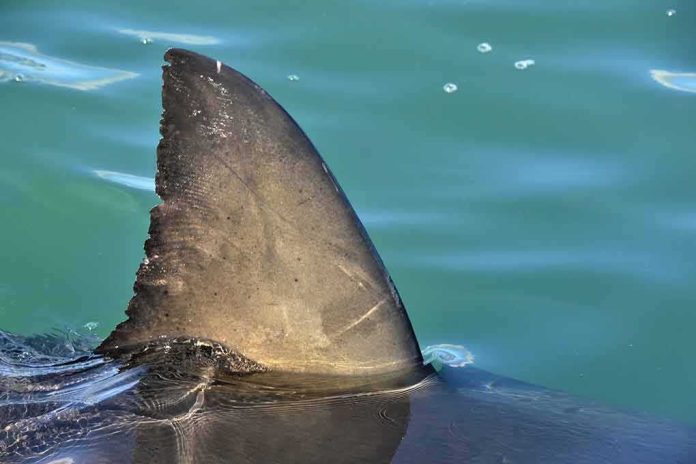
A rare “catch-and-kill” order followed the fatal great white shark attack that claimed 63-year-old Greg O’Neill at Perth’s Sorrento Beach, underscoring hard choices about public safety and personal freedom in open waters.
Story Highlights
- Police and media identified the victim as 63-year-old swimmer Greg O’Neill at Sorrento Beach.
- Western Australia issued a rare “catch-and-kill” order for a suspected great white shark.
- Authorities said O’Neill’s body had not been recovered as searches continued.
- Long-term data show shark bites are rare but have trended upward over decades.
Confirmed Details of the Fatal Attack at Sorrento Beach
Western Australian officials and multiple outlets reported that Greg O’Neill, age 63, died in a suspected great white shark attack while swimming close to shore at Sorrento Beach in Perth’s northern suburbs. The attack happened on a Friday morning in front of beachgoers, and police later identified O’Neill as the victim. Family described him as a devoted father and ocean lover. Authorities closed the beach after the incident and warned swimmers to avoid the area while crews searched the water.
https://www.youtube.com/watch?v=GD2mfoMkzeo
State leaders responded by authorizing a rare “catch-and-kill” order targeting the suspected shark. Western Australian officials said the action was exceptional given the threat to public safety, a step that is not common in that state. The order focused on locating and killing the specific shark believed to be responsible. News coverage emphasized the rarity of the directive, and noted the goal was to reduce immediate risk along a busy, family beach in the city’s north.
What Authorities Are Doing and What Remains Unclear
Police and rescue teams mounted an intensive search following the attack. Crews used boats and set capture gear offshore to find the animal and gather evidence. Reports said the victim’s body had not been recovered during the initial response, even as officials increased patrols and risk warnings along the coast. The absence of remains complicated the recovery effort but did not change the determination that the swimmer had died in the attack, based on witness accounts and the scene.
Local reports detailed that O’Neill was swimming just meters from shore with a friend when the shark seized him and pulled him under. Witnesses described a large white shark in the area. The quick beach closure and rapid deployment of search assets reflected a focus on public safety at a popular suburban beach. Community tributes soon followed, with friends and family honoring O’Neill as a much-loved father and grandfather-to-be.
Why a “Catch-and-Kill” Order Is So Unusual
Great white sharks are a protected species in Australia, which is why catch-and-kill directives are rare and draw public attention. Officials said the order was tied to specific, exceptional risk near a busy swim zone and designed to prevent another immediate strike. The move highlighted a hard reality for coastal communities: people expect safe access to public beaches, and governments must act decisively when danger spikes near shore, even as they balance conservation rules and science.
Reports noted that gear was placed about 1.5 kilometers offshore to intercept the suspected shark. Fisheries staff monitored conditions and adjusted the response based on sightings and risk. Some outlets later reported the order was suspended after a period without locating the shark, which often happens once the immediate hazard appears to pass, though such steps vary by case and conditions on the ground.
Risk Trends: Rare Events, Rising Attention
Data show shark bites in Australia remain rare compared with overall beach risks, but reported incidents have slowly risen over several decades. The British Broadcasting Corporation cited official statistics that bites increased from single digits per year in the 1990s to higher annual averages in recent years. Experts say better reporting, more people in the water, and changing ocean conditions may all play a role. Even with that trend, most beach deaths still result from drowning, not shark bites.
Capture gear has been set 1.5km off Sorrento Beach as the family of shark attack victim Greg O’Neill pays tribute to the much-loved swimmer.
READ IN COMMENTShttps://t.co/Sw84UCoaGc
— The West Australian (@westaustralian) September 20, 2026
For families, the numbers matter less than what happened at Sorrento Beach. A regular swim near shore turned into a fatal attack, and a community lost a devoted father. Australian officials must balance conservation with the duty to protect people at a public beach. That is why rare tools, such as a targeted kill order, enter the picture in extreme cases. For beachgoers, common-sense steps—swimming near patrols, heeding closures, and staying in clear water—remain the first line of safety.
Sources:
foxnews.com, abc.net.au, nypost.com, ladbible.com, unilad.com