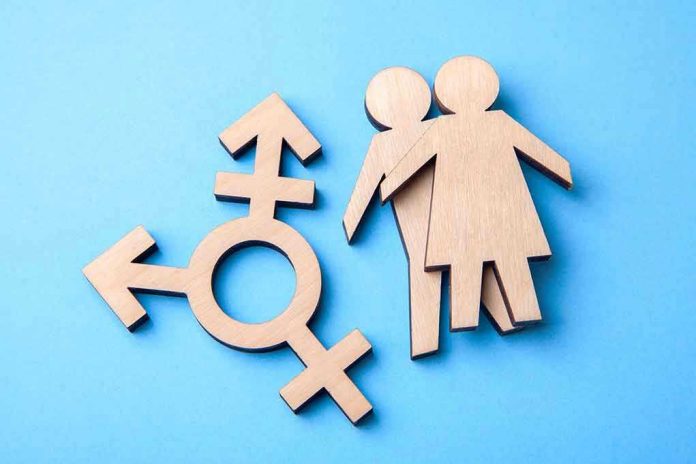
A landmark Supreme Court case may redefine gender identity and fairness in women’s sports, challenging conservative values nationwide.
Story Highlights
- The Supreme Court is reviewing state laws banning transgender athletes from women’s sports.
- Lower courts blocked these laws citing Title IX and Equal Protection violations.
- 27 states have similar laws affected by the outcome of these cases.
- Public opinion largely supports bans, aligning with conservative values.
Supreme Court Reviews Transgender Athlete Bans
In a historic move, the U.S. Supreme Court is set to hear arguments regarding the legality of state bans on transgender athletes participating in women’s sports teams. These cases, originating from Idaho and West Virginia, mark the Court’s first direct review of such laws. Lower courts previously blocked these bans, highlighting conflicts with Title IX and the Equal Protection Clause. The states argue these laws are necessary to ensure fairness and safety in women’s sports, citing biological differences.
The implications of this case are significant as it could affect similar laws in 27 states. Many Americans, frustrated with past policies they see as eroding traditional values, view these laws as essential to protecting women’s sports from perceived unfair advantages. The outcome of this case will likely influence future legislative actions regarding gender identity and sports participation.
Historical Context and Ongoing Debate
The debate over transgender athletes in sports has been intensifying since the 2020 Bostock v. Clayton County decision, which expanded the definition of sex discrimination. States began enacting bans on transgender athletes, citing physiological advantages. However, lower courts have been divided, with some striking down such laws for violating anti-discrimination statutes. This ongoing legal battle has left many states in limbo, awaiting a definitive ruling from the nation’s highest court.
Public opinion heavily favors maintaining separate categories based on biological sex. A 2025 Gallup poll found that 69% of Americans believe transgender girls should participate on boys’ teams instead. This sentiment is echoed by state officials like West Virginia Attorney General John McCuskey, who advocates for sports fields delineated by birth sex characteristics.
Impact and Future Implications
The Supreme Court’s decision, expected later this year, could set a precedent for how gender identity is treated under federal law. In the short term, the ruling will determine the fate of the Idaho and West Virginia laws. In the long term, it may redefine the interpretation of Title IX concerning gender identity. For the approximately 122,000 transgender high school athletes in the U.S., the ruling could be life-changing, potentially excluding them from participating in sports aligned with their gender identity.
The outcome will also influence the broader political landscape, affecting states’ rights and federal civil rights protections. The decision could either bolster states’ efforts to enforce similar bans or strengthen protections for transgender individuals under federal law.
Sources:
Transgender athlete bans get Supreme Court review in landmark case
The transgender athlete cases: An explainer
US Supreme Court transgender athletes cases: Oral arguments
School sports case reaches the Supreme Court at a fraught time for trans rights